How two college students built something the startup world was missing, and what it means for the next wave of founders on the move.
There's a version of the "hacker house" story that gets told a lot. Bright-eyed founders crammed into a rented house somewhere in San Francisco, laptops open at 2am, the next big thing quietly taking shape in a shared kitchen. It's a real thing... and it works. The camaraderie, the proximity to capital, the sheer energy of being around other people building, it compounds in ways that Zoom calls and coworking memberships just don't replicate. But when Anantika Mannby and Miki Safronov-Yamamoto started researching hacker houses ahead of the summer of 2024, they kept running into the same problem. "A lot of these hacker houses were very male-dominated," Safronov-Yamamoto noted. In house after house, women were an afterthought .... one or two among 10, if present at all.
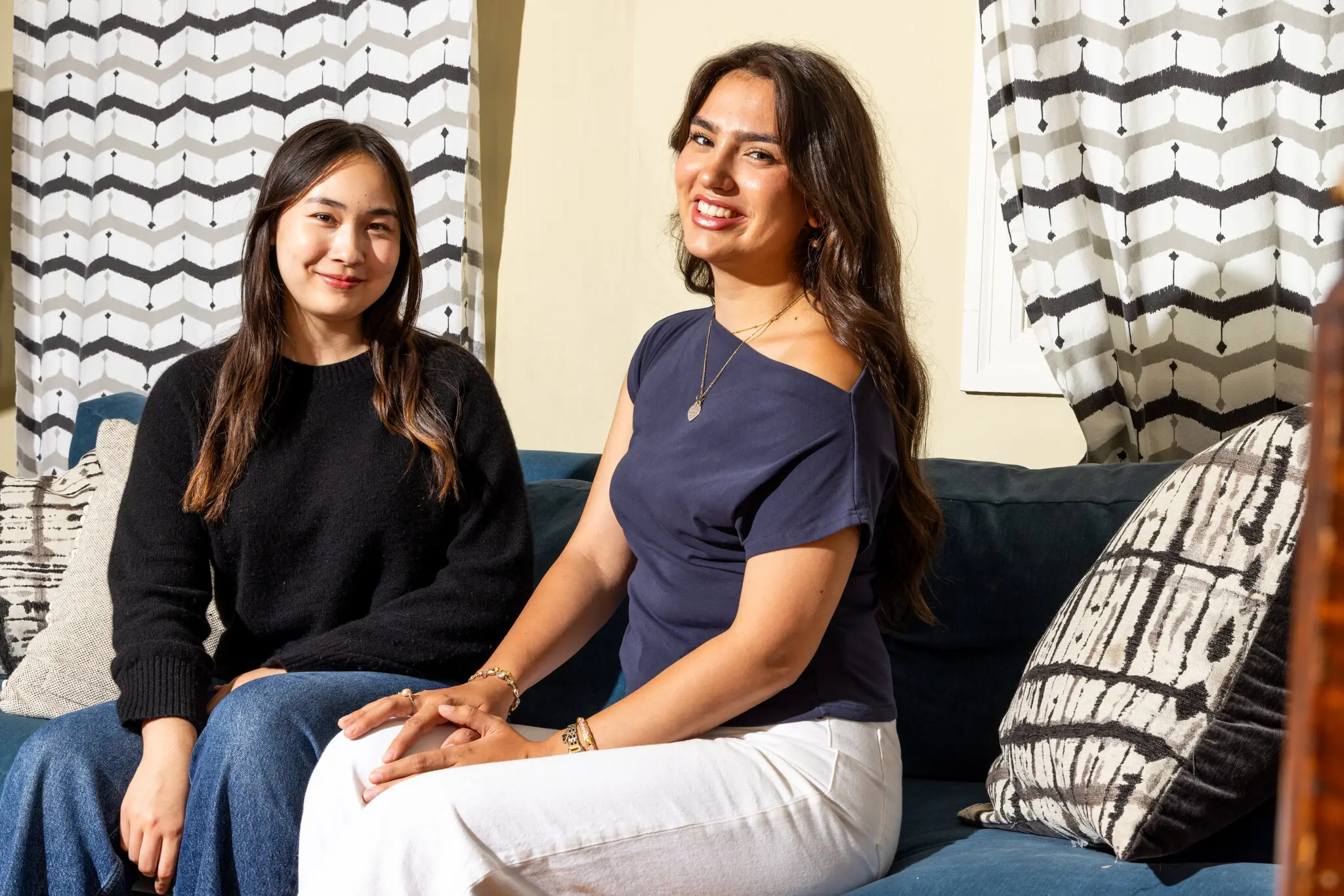
Their response was direct: if the space doesn't exist, build it yourself.
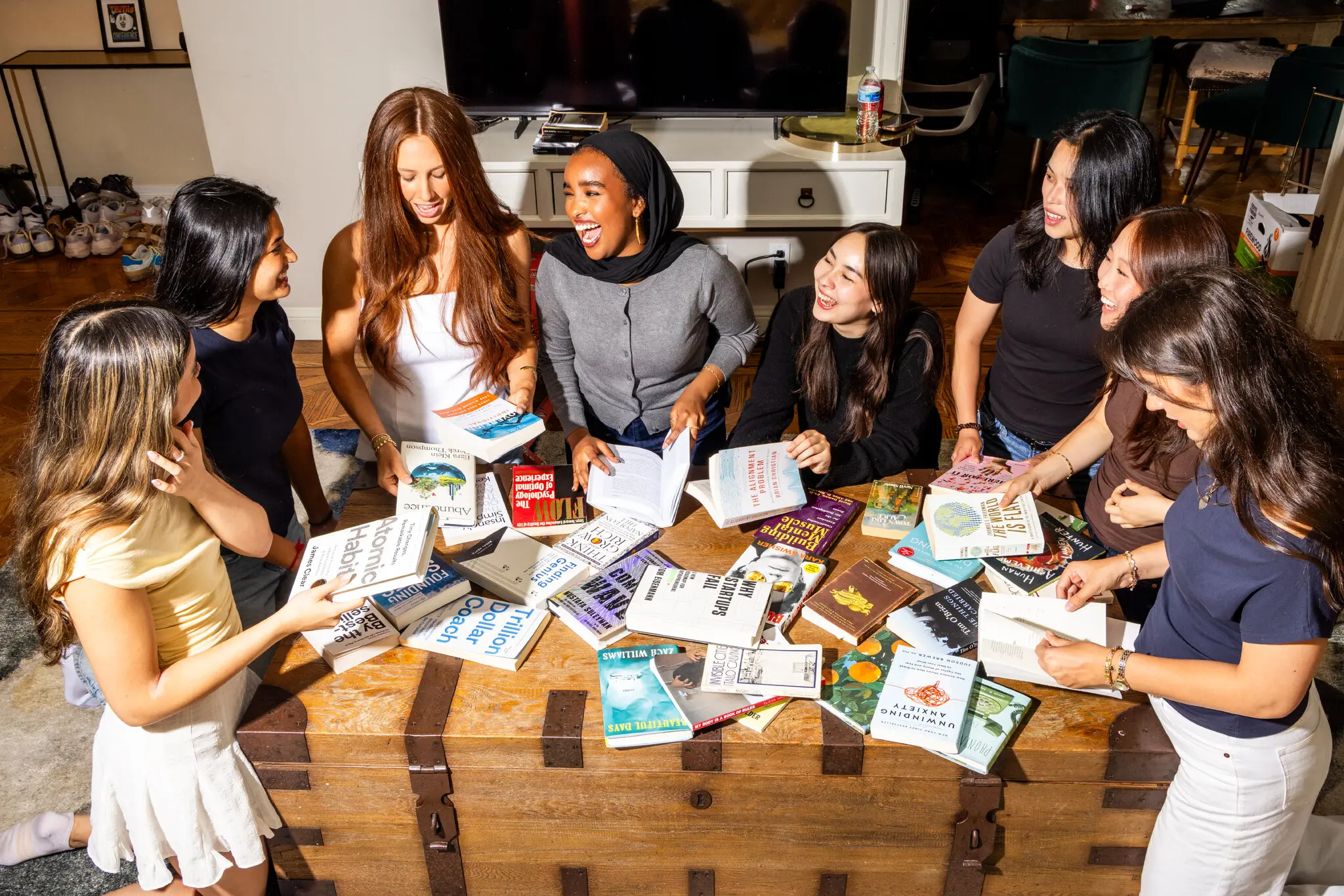
So they did. In May 2024, the two USC sophomores launched FoundHer House, an all-female hacker house in San Francisco's Glen Park neighborhood. Eight women. One summer. One rented Airbnb turned launchpad. From roughly 100 applicants, they hand-selected six other female startup founders from across the country to join them. Every company in the house was AI-driven, spanning healthcare, clean energy, fintech, education, and e-commerce.
What followed was, by any measure, a strong summer. Collectively, the residents raised over $6.5 million in venture capital. Veyra, Safronov-Yamamoto's AI tool for detecting and disputing medical billing errors, saved users $15,000 in incorrect charges and brought on paying clients. Mannby's social shopping platform, Treffa, crossed half a billion views on social media and expanded well beyond its original niche market. The group's demo day drew 200 investors, founders, and operators. The New York Times covered it. USA Today covered it. One resident ended up in an Apple ad, shot at the house's dinner table.
The structural problem they were responding to is worth naming clearly, because it's not getting better on its own. According to data from PitchBook, only about 2% of U.S. venture capital funding goes to startups with all-female founding teams. For AI-specific startups, that number sits below 3%. This isn't a talent gap… anyone paying attention knows that. It's a rooms gap. It's a networks gap. It's a "who's in the house" gap.
FoundHer House attacked that gap directly…. not with a conference or a panel, but with a physical place where female founders could live alongside each other, build momentum together, and show up to industry events as a group rather than as outliers. "Together, we were this force who showed up," Mannby said. "You could feel the change we created in every room we walked into very palpably."
For the broader founder community, which is exactly who BuildBnB targets, this story carries some real signal worth paying attention to.
First, where you physically locate yourself during a critical phase of building still matters enormously. Mannby and Safronov-Yamamoto didn't choose San Francisco by accident. They went there because that's where the investors are, where the introductions happen, where the pattern-matching that drives venture decisions plays out in person. The hacker house model works precisely because proximity and environment are part of the product.
Second, the format is evolving. FoundHer House is already planning to expand: two houses, one in San Francisco and one in New York, with Los Angeles on the horizon after that. They're building an online ecosystem in parallel. The "temporary relocation to build" model isn't a fad startup tradition … it's here to stay and becoming a structured, repeatable pathway, and the infrastructure around it is getting more intentional.
Third, and maybe most importantly for anyone thinking about where to go and who to be around: the community you build during these eras tends to last. "Those friendships would have made the whole thing worth it in and of itself," Mannby said. The capital raised, the press, the traction… all real. But the network of people who were in the house that summer, who watched each other pitch and fail and push through? That's the part that compounds over a decade.
FoundHer House is a reminder that the physical environment of early-stage building isn't a logistical afterthought. It's part of the work. The right city, the right house, the right people across the hall…. these things shape what gets built, who funds it, and how far it goes.
That's the whole premise behind BuildBnb: that founders, developers, and builders who are serious about their next move deserve better options for where they land when they're away from home, deep in a sprint, raising capital, competing in a hackathon, or testing a new market. A hotel won't do it. Neither will a generic short-term rental. What is needed is a place that fits the pace of what you're doing and puts you near the people who are doing the same thing.
FoundHer House figured that out from scratch, by necessity. The rest of us can be more deliberate about it.
*FoundHer House is a nonprofit hacker house and founder community supporting female-led, AI-driven tech startups. Learn more at www.foundherhouse.org.